









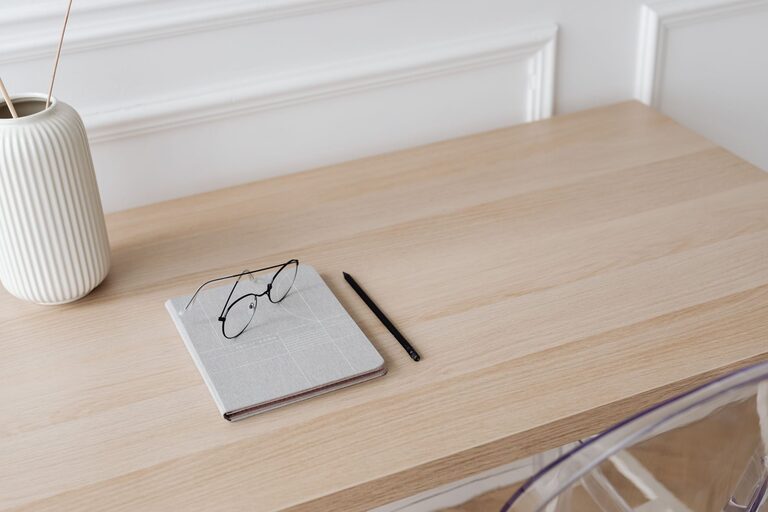
Creating a relaxing home workspace is essential for maintaining focus, reducing stress, and enhancing productivity—especially as more people work remotely. Your workspace should feel inviting and comfortable, yet inspire you to get tasks done efficiently. Whether you have a dedicated room or just a small corner in your living space, there are practical ways to design a home workspace that promotes calm and concentration.
Why a Relaxing Workspace Matters
A cluttered or uninspiring workspace can negatively affect your mood and work quality. When your work area feels chaotic or stressful, it’s harder to focus and stay motivated. On the other hand, a well-thought-out, pleasant environment helps improve creativity, reduces distractions, and supports your overall well-being.
Choosing the Right Location
Find a Quiet Spot
Start by selecting a location in your home with minimal distractions. Ideally, this space should be away from noisy areas like the kitchen or TV zones. If possible, choose a room or nook where you can close a door to create separation from household activities.
Consider Natural Light
Natural light has a calming effect and can help regulate your body clock. Position your desk near a window to take advantage of daylight. If natural light is limited, supplement with soft, warm artificial lighting to keep the space bright without being harsh.
Designing Your Workspace Layout
Select Comfortable Furniture
Invest in an ergonomic chair that supports your back and encourages good posture. Choose a desk that fits your space and allows you room for your computer, notebooks, and other essentials without feeling cramped.
Keep It Organized
A cluttered desk can cause mental clutter. Use organizers, drawers, or shelves to keep supplies and papers tidy. Regularly declutter your workspace to maintain a peaceful environment.
Add Personal Touches
Incorporate elements that make you feel relaxed and happy, such as photos, artwork, or plants. These personal touches can make your workspace feel more welcoming and less like a sterile office.
Creating a Soothing Atmosphere
Use Calming Colors
Colors affect mood and productivity. Soft blues, greens, and neutrals are often associated with calmness and focus. Consider painting your workspace walls in these colors or adding accents through décor.
Integrate Plants
Plants not only improve air quality but also add a natural element that reduces stress. Easy-care plants like succulents, pothos, or snake plants are great for home offices.
Control Noise Levels
If external noise is a challenge, try noise-canceling headphones or play gentle background music or white noise to mask distractions.
Establishing Healthy Habits
Take Regular Breaks
Moving away from your workspace periodically refreshes your mind and body. Use reminders or apps to encourage short breaks every hour.
Maintain a Routine
Having a consistent schedule helps your brain associate the workspace with work, making it easier to switch into focus mode.
Stay Hydrated and Nourished
Keep a water bottle nearby and healthy snacks on hand to maintain energy levels throughout your workday.
Technology Tips for a Stress-Free Workspace
Manage Cables
Tangled cables add visual clutter. Use cable organizers or clips to keep them neat.
Optimize Screen Setup
Position your monitor at eye level to prevent neck strain. Adjust screen brightness to comfortable levels to reduce eye fatigue.
Use Essential Tools Only
Limit the number of gadgets and apps open during work to avoid distraction.
Final Thoughts
Creating a relaxing home workspace is about balancing functionality with comfort. Small changes like decluttering, adding plants, or choosing soothing colors can make a big difference in how you feel and perform. Remember, your workspace should support your productivity while also being a place where you enjoy spending time.
By thoughtfully designing your home workspace, you’ll nurture a more positive, focused, and relaxed work-from-home experience.