









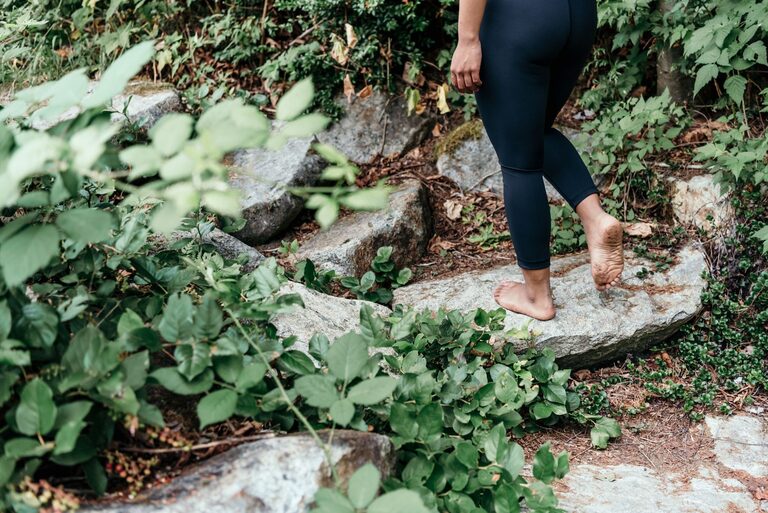
Mindful walking is a gentle, accessible way to bring mindfulness into your daily life. Unlike regular walking, which can often be rushed or distracted, mindful walking encourages you to slow down and fully experience each step you take. This beginner guide will help you understand what mindful walking is, why it’s beneficial, and how to start practicing it today.
What is Mindful Walking?
Mindful walking is the practice of paying close attention to the experience of walking. It involves observing the sensations of your body, the environment around you, and your breath. Rather than letting your mind wander or focusing on tasks or worries, you bring your full awareness to the present moment with each step.
Benefits of Mindful Walking
Practicing mindful walking regularly can provide several physical and mental benefits:
– Reduces stress: It helps calm the mind and reduce feelings of anxiety.
– Improves focus: Paying attention to your steps can increase your concentration skills.
– Enhances mood: Being present in nature or your surroundings often lifts your spirits.
– Encourages gentle exercise: It adds light physical activity without strenuous effort.
– Boosts body awareness: You become more attuned to your posture and movement.
How to Prepare for Mindful Walking
Starting mindful walking doesn’t require any special equipment or location. Here’s what you’ll need:
– A comfortable place to walk (indoors, a park, a quiet street)
– Comfortable shoes
– A willingness to slow down and focus
Choose a time when you won’t be rushed or frequently interrupted.
Step-by-Step Guide to Mindful Walking
1. Begin with Intention
Before you start walking, take a moment to set an intention. This could be as simple as wanting to notice your surroundings or to cultivate calmness.
2. Stand Still and Breathe
Stand with your feet flat on the ground, shoulder-width apart. Close your eyes if you’re comfortable and take three slow, deep breaths. Notice how it feels as air enters and leaves your body.
3. Start Walking Slowly
Begin walking at a slower pace than usual. Feel your feet lift, move forward, and touch the ground. Notice how your weight shifts with each step.
4. Pay Attention to Sensations
Focus on the sensations in your feet, legs, and body. Feel the texture of the ground beneath you. Notice the sounds, scents, and sights around you without judgment.
5. Use Your Breath
Coordinate your breathing with your steps if it feels natural. For example, inhale for two steps, exhale for two steps. This helps maintain focus.
6. Acknowledge Your Thoughts
If your mind starts to wander or worries arise, gently bring your attention back to your steps and breath. Avoid judging yourself for getting distracted.
7. Walk for a Set Time
Begin with 5 to 10 minutes of mindful walking. As you get more comfortable, you can extend the duration.
Tips for Successful Mindful Walking
– Start small: Short sessions are better than none.
– Choose peaceful environments: Parks, gardens, or quiet neighborhoods work well.
– Avoid busy or noisy areas initially: These can be distracting until you build your practice.
– Practice regularly: Like any skill, mindfulness improves with consistent practice.
– Combine with nature: Being outdoors can deepen your sense of calm.
Mindful Walking Variations
Once you feel confident, you can try different ways to add mindfulness to your walking:
– Walking meditation: Walking back and forth slowly inside a room focusing solely on movement.
– Nature observation: Spend a few moments noticing specific plants, animals, or sounds before resuming your walk.
– Gratitude walk: Reflect mentally on things you are grateful for while walking.
What to Expect
At first, mindful walking may feel strange or slow compared to your usual pace. It’s normal for your mind to wander frequently. Over time, you’ll likely notice increased calmness, better mood, and a stronger connection to your body.
Conclusion
Mindful walking is a simple, effective way to bring mindfulness into everyday life. It requires no special tools—just a willingness to slow down and pay attention. Whether you’re looking to reduce stress, improve focus, or deepen your mindfulness practice, mindful walking is a great place to start. Put on your shoes, step outside, and enjoy the present moment, one step at a time.